
Must-Knows for Hiring in the Singapore Job Market in 2026

Are you hoping to hire fresh new talent for your business in Singapore this year? Despite economic uncertainty, regulatory complexity and rapid digital transformation, the Singapore job market grew significantly in Q4 2025.
In fact, some estimates report that nearly a third of businesses in Singapore will be hiring this quarter. But every one of those roles will be under the microscope for fast and effective return on investment, shared Ken Ong, Managing Director of Morgan McKinley Singapore in our recent 2026 Singapore Salary Guide:
“Permanent hiring has stabilised but remains selective. Businesses are scrutinising each role to ensure it contributes directly to strategic growth. At the same time, demand for contract and project-based talent has risen sharply as companies look for agility and cost efficiency without compromising capability”.
So, what’s the best way to stay competitive, with that in mind? “Success will hinge on how effectively companies use talent as a strategic differentiator. The most forward-thinking employers are reimagining their workforce models, combining permanent and flexible talent and prioritising skills over credentials”, says Ken.
Here’s his advice for how to do exactly that:
1. Prioritise Hiring for Niche Skill Sets
The era of hiring based on a prestigious degree or a long list of previous job titles is rapidly fading in favour of a "skills-first" methodology. In 2026, Singapore’s most successful organisations are those that identify and target "plug-and-play" talent. These are individuals who possess the specific, high-level technical capabilities required to hit the ground running once they arrive in the door.
This shift is particularly evident in sectors like Technology and Legal, Risk & Compliance, where regulatory shifts and rapid digital adoption create immediate voids that only specialists can fill. By prioritising these niche skill sets, businesses ensure they aren’t just filling a seat, but are actually acquiring a strategic asset. This will be what differentiates a high-value hire from a standard replacement.
2. Gain Agility By Using Vetted Contractors
The "contractor economy" has evolved from a backup plan into a core pillar of strategic workforce planning. Forward-thinking companies in Singapore are now intentionally blending lean, permanent core teams with highly skilled contingent specialists to drive time-bound transformation projects. This allows businesses to access elite expertise without committing to long-term overhead costs.
By leveraging contractors, organisations can pivot their strategies at speed, scale up for critical product launches or regulatory deadlines and scale back once the objective is met. In 2026, the competitive edge will go to those who treat their contingent workforce as a strategic asset, ensuring they have the "elasticity" to innovate and deliver results without being slowed down by hiring constraints.
Want to explore contracting hiring? Find out here how our team can help you take the first steps to finding top contractors.
3. Ensure You Have the Right Tech Talent
We are seeing a significant "scarcity premium" for experts in cloud architecture, cybersecurity, and MLOps, with some niche roles commanding salary uplifts of up to 30%. For businesses, this means that "good enough" technology talent is no longer sufficient. Technical resilience now depends on securing the high-level architects who can design secure, scalable, and AI-ready infrastructures.
Attracting this talent requires an approach that goes beyond just compensation. Because these specialists are in such high demand, they are looking for environments where they can work on cutting-edge tech stacks and have a genuine influence on product delivery. To stay competitive, organisations must highlight autonomy and the opportunity to lead transformative projects.
4. Transform Support Teams Into Strategic Teams
The traditional view of HR, Finance, and Supply Chain as support functions is being dismantled as automation and offshoring absorb basic transactional tasks. These departments need to transition from administrative oversight to strategic business partnering. These high-value individuals need to interpret data analytics to drive ROI, navigate complex international ESG regulations, and act as consultative partners to the C-suite.
As basic operational roles are phased out, the demand for talent with "business acumen" has surged. Organisations are now looking for finance leads who understand digital transformation and HR partners who can lead people analytics. By elevating these roles into strategic positions, companies ensure that every department is contributing directly to business growth.
5. Learn How to Impress the Discerning Candidate
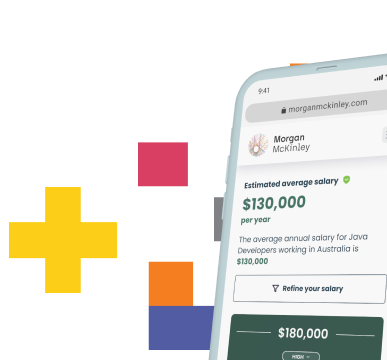
The candidate pool in Singapore is more data-literate and value-driven than ever before. In 2026, professionals are no longer guessing their worth. They are using tools like the Singapore Salary Calculator to benchmark their pay against the broader market. Beyond fair compensation, these discerning candidates are prioritising roles that offer genuine flexibility, a clear sense of purpose, and meaningful pathways for progression.
For employers, this means that a "one-size-fits-all" approach to recruitment is no longer effective. Success in 2026 requires an employer brand that can clearly articulate its "purpose-led" culture and commitment to employee wellbeing. Organisations that offer hybrid work models will naturally win talent over those that remain rigid. Understanding and meeting these evolving expectations is now a prerequisite for attracting the high-calibre professionals who drive innovation.
6. Use Hiring Speed as Your Competitive Advantage
In an employer-driven market, hiring processes can stagnate due to excessive layers of approval and budget scrutiny. However, by streamlining their hiring (such as empowering business heads to make faster decisions), leading companies are closing roles for critical talent in as little as two weeks. This prevents losing top candidates to more agile competitors who are ready to move.
Speed is especially crucial when dealing with niche contractors and high-demand specialists who often have multiple offers on the table. A prolonged interview cycle is often interpreted as a sign of a bureaucratic or indecisive culture. By defining must-have skill sets early and shortening the time-to-offer, organisations not only secure the best talent but demonstrate an operational efficiency that appeals to high-performing professionals.
7. Upskill Staff as a Means to Fix Skills Gaps
Relying solely on the external market to fill skill gaps can sometimes be a high-risk and high-cost strategy. The most resilient organisations are using upskilling and reskilling as a defensive play to future-proof their existing workforce. By investing in training focused on digital risk, sustainability, and AI literacy, companies are building internal talent that can step into evolving roles as needed.
Beyond the technical benefits, a robust upskilling strategy is one of the most effective retention tools available. When employees see a clear investment in their professional growth, their loyalty increases, reducing the cost and disruption of turnover. By prioritising development, businesses create a more adaptable, future-ready workforce that is less susceptible to the volatility of the market.
Want to learn more about the trends defining the Singaporean jobs market? Download our new salary guide – or speak to one of our consultants about your hiring.