
How to Handle an Employee’s Pay Rise Request?

When was the last time you had a tricky pay conversation? If you manage people, chances are you have already had someone ask for a pay rise. If not, it is only a matter of time.
These conversations rarely come out of nowhere. Sometimes they follow a strong performance period, are triggered by rising living costs, a recruiter call, or a growing sense that their role has outgrown their pay. Whatever the reason, being on the receiving end of a pay rise request can feel uncomfortable.
As a manager, you are often caught in the middle. You want to be fair, recognise good work, and keep your team motivated. At the same time, you are working within budgets, policies, and expectations that are not always in your control.
But the truth is that a salary raise request is rarely just about money. It is usually a signal about how valued someone feels and how they see their future with the company.
Handled well, these conversations can strengthen trust, employee engagement, and retention. Handled poorly, they can leave employees disengaged or looking elsewhere.
This article is designed to help managers approach pay rise requests with confidence. It covers how to respond in the moment, how to assess the request fairly and how to communicate your decision in a way that supports both the employee and the business.
1. Set the Tone and Ask the Right Questions
When an employee raises the topic of a pay rise, it can be tempting to react straight away. You might want to reassure them, or you might feel pressure to shut the conversation down quickly. Neither approach helps at this stage.
The most important thing to do in the first conversation is to listen and slow things down. It is completely reasonable not to have an answer on the spot. In fact, responding too quickly can create expectations you may not be able to meet later.
Ask open, neutral questions and give the employee space to explain their thinking. What has prompted the request? Do they feel their role has changed? Are they taking on more responsibility or delivering results that go beyond what was originally expected? Make a note of what they say so you can properly reflect on it afterwards.
It is also worth acknowledging that these conversations are not always easy to start. Thanking someone for raising the topic shows respect and signals that you take it seriously. For many employees, asking for a pay rise is a sign that they want to stay and grow with the business, not that they are already halfway out the door.
Before ending the conversation, be clear about the next steps. Let them know you need time to review the request, who else may be involved in the decision, and when they can expect an update. That clarity goes a long way in building trust and wellbeing even before a decision is made.
2. Use Market Salary Data as Context, Not a Verdict
Once you have had the initial conversation, the next step is to evaluate the request. This is where many managers instinctively turn to market salary data, and rightly so. Understanding what similar roles are paid elsewhere helps you sense check whether an employee’s pay is broadly in line with the market.
That said, market data should inform your decision, not make it for you. When handling an employee pay rise request, it is easy to hide behind benchmarks, but they rarely tell the full story.
Start by looking at roles with comparable scope and responsibility, not just matching job titles. Consider experience, performance, location and how the role has evolved over time. Someone whose responsibilities have grown well beyond their original remit may be underpaid, even if their title still fits within a standard salary range.
3. Don’t Forget to Consider the Broader Picture
It is also important to look inward. How does this person’s pay compare to others in similar roles across the business? Internal fairness matters just as much as external competitiveness, especially when managing pay rise requests across a team.
Finally, think about risk. What would it cost the business if this person left? Would replacing them take time, knowledge, or momentum with it? In some cases, the cost of not addressing a salary increase conversation can be higher than the cost of the increase itself.
Market data gives you context. Your judgement as a manager is what turns that information into a fair decision.
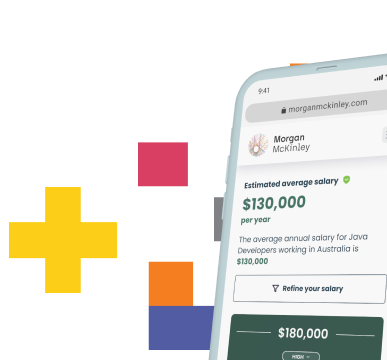
Use our Salary Guide Calculator to check whether their current salary is in line with market and industry trends. Compare how salaries change depending on location, industry, sector and experience.
4. Build the Decision With the Right Stakeholders
Very few managers can approve a pay rise on their own. In most organisations, handling pay rise requests means working with HR, the finance team or senior leadership to reach a decision that is fair and consistent.
When you bring others into the conversation, your role shifts slightly. You are no longer just listening to the employee’s perspective. You are representing their contribution, impact, and future potential to people who may not see their day-to-day work.
This is where preparation matters. Be ready to explain how the role has evolved, the value the employee brings to the team and the risks of doing nothing. Linking performance to outcomes makes the discussion more grounded than relying on sentiment alone.
It is also worth recognising that other stakeholders will view the request through different lenses. HR will focus on policy and internal equity. Finance will look at budget and precedent. That does not mean the answer will automatically be no, but it does mean you may need to advocate clearly and realistically.
When managing salary raise requests, the strongest cases are balanced ones. They acknowledge constraints while clearly articulating why the request deserves consideration. Even if the outcome is not what you hoped for, a well-supported discussion makes the final decision easier to explain and stand behind.
Be prepared to provide convincing arguments if you don’t want to lose a valuable employee. Think outside the box. Can the budget be re-allocated between projects to allow for this person’s pay rise, for example?
4. Communicate the Decision Clearly and With Care
How you deliver the outcome of a pay rise request matters just as much as the decision itself. This conversation is often what determines whether an employee feels respected and motivated, or quietly starts disengaging.
Start by explaining how you reached the decision. Whether the outcome is positive or not, walk the employee through the factors you considered. This might include performance, role scope, market context, internal equity and budget constraints. Transparency builds trust, even when the answer is not what they were hoping for.
If the decision is to approve the pay rise, be clear about what it recognises. Explain whether it reflects sustained performance, expanded responsibilities, or future expectations. This helps reinforce that pay increases are earned and considered, not automatic.
If the answer is negative, or if the role is on hold at this stage, the way you handle the conversation becomes even more important. Acknowledge the effort behind the request and be honest about the reasons.
Where possible, shift the focus to what can change. Agree on specific goals, responsibilities or timelines that could lead to a future review, and make sure those commitments are realistic.
When managing a salary increase conversation, follow through is critical. If you promise a review in six months, put it in your diary. Failing to revisit the discussion can damage trust far more than an initial no.
5. Consider Alternatives to a Pay Rise as Part of Retention
Sometimes, even when a pay rise request is reasonable, the answer has to be no, at least for now. Budget cycles, internal equity or timing can all limit what is possible in that moment. That does not mean the conversation has to end there.
When managing pay rise requests, it is worth exploring what else matters to the individual. Pay is important, but it is rarely the only factor influencing whether someone stays engaged and committed.
For some employees, flexibility makes the biggest difference. For others, it is development, progression or exposure to new responsibilities.
Additional annual leave, flexible working arrangements, learning opportunities or clearer career pathways can all play a meaningful role in employee retention when aligned to what the employee actually values.
The key is to be specific and honest. Alternatives should not be presented as vague promises or permanent substitutes for fair pay. They work best when they are clearly linked to the individual’s goals and reviewed over a defined timeframe.
Handled thoughtfully, these options can help maintain motivation and trust while keeping the conversation about pay open and constructive.
6. Make Pay Conversations Ongoing, Not Reactive
Handling a pay rise request is always easier when it is not the first time pay and performance have been discussed. Regular check-ins and performance conversations help remove the pressure from one-off salary increase discussions.
When expectations, progress and development are talked about consistently, pay reviews feel like part of a wider journey rather than a single make-or-break moment.
As a manager, you are already observing performance over time. Use that insight to talk openly about growth, progression, and what moving to the next level would realistically involve. Clear criteria and regular feedback make pay decisions feel fairer and more predictable for everyone involved.
It is also worth remembering that not all employees will feel comfortable raising a pay rise request directly. Some will hint at it through conversations about workload, responsibilities, or being approached by recruiters.
Being attentive to those signals can help you address concerns before they turn into disengagement or resignation.
When managing pay rise requests well, the goal is not to avoid difficult conversations. It is to make them less surprising, more constructive, and rooted in trust.
Handled with care, honesty and consistency, these conversations can strengthen relationships and improve employee retention. Avoided or rushed, they can quietly undermine motivation and trust.
Managers do not need to have all the answers immediately. What matters most is listening well, making considered decisions and following through on what is discussed. Over time, that approach builds credibility, even when the answer is not always yes.
Morgan McKinley’s Global Workplace Trends 2025 brings together insights from across the global workforce to help managers understand what employees value today and how expectations are evolving.
Download your copy to explore the trends managers need to know to keep employees engaged, motivated, and happy at work.